

1 04, 2026

Recruit PKB: Warm Up Like a Pro

By |2026-04-02T09:11:25-04:00April 1st, 2026|College Recruiting Articles|0 Comments

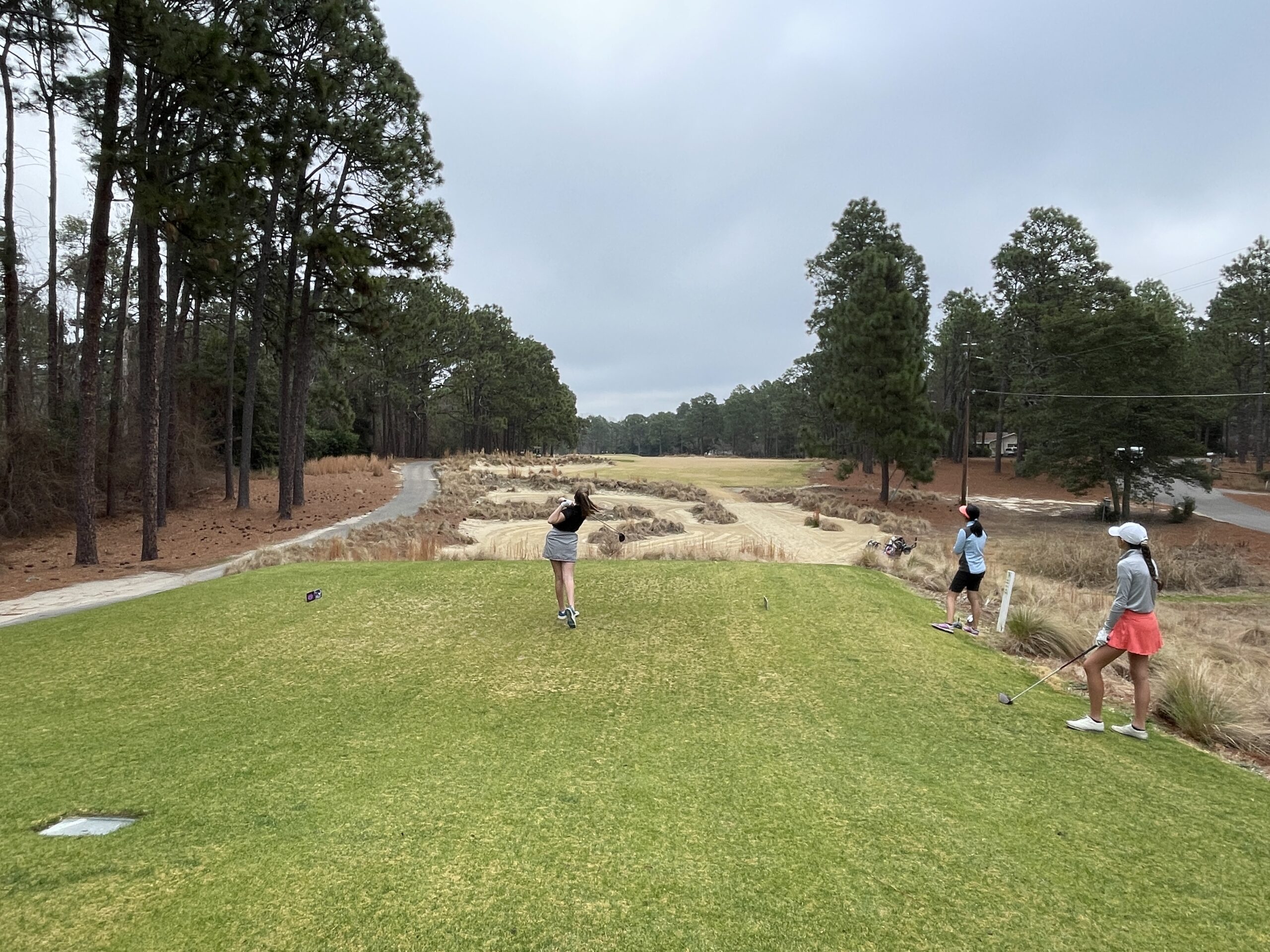
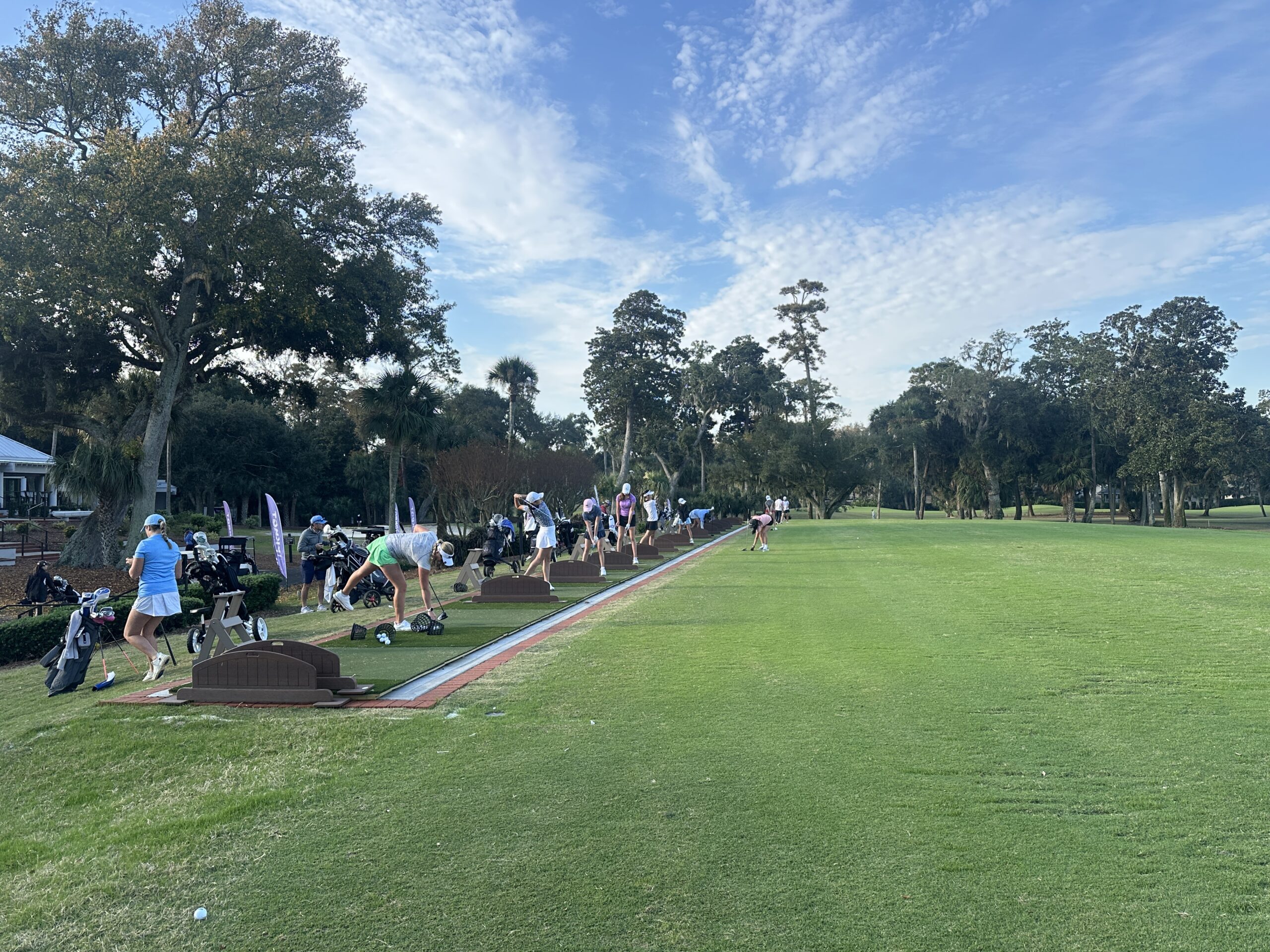
Why Your Warm-Up Matters More Than Your Swing One of the most common conversations I have with junior golfers isn’t about swing mechanics—it’s about preparation. Recently, I was on a call with a player who wanted help building a tournament warm-up plan. She told me she often felt rushed before her rounds, unsure of what to focus on, and never quite settled by the time she reached the first tee. The truth is—that’s not unusual. Most players walk onto the range and start hitting balls with no real intention. They’re trying to “feel good” instead of actually getting ready to play. But the best players—at every level—approach their warm-up differently. They have a plan. They’re deliberate. They understand exactly what they’re trying to accomplish before the round even begins. And if there’s one area I consistently emphasize, especially for tournament players, it’s this: Speed control on the [...]


25 03, 2026

RecruitPKB: Negative Self Talk

By |2026-03-26T14:25:22-04:00March 25th, 2026|College Recruiting Articles|0 Comments

Talk to Yourself Like You Would a Playing Partner Every time you hit a bad shot, have a tough hole, or make a mental mistake, pause for a second and ask yourself this: “What would I say to my playing partner if they just did the same thing?” Chances are, you wouldn’t respond with,“That was stupid,”“What were you thinking?” or“You’re terrible.” More than likely, you’d say something like,“It’s okay,”“Shake it off,” or“You’ve got the next one.” You probably wouldn’t have much emotional reaction at all. You might feel for them if they’re having a rough day, but you would never put them down or question their ability. So why do we do that to ourselves? Why is it so easy to tear ourselves down after a bad shot or mistake—but so natural to build others up? You Are Not Your Enemy The truth is, many golfers become [...]

17 03, 2026

RecruitPKB: Free 30 Minute Consultation

By |2026-03-18T09:39:08-04:00March 17th, 2026|College Recruiting Articles|0 Comments

I wanted to take this week’s article as an opportunity to share more about the free 30-minute RecruitPKB “Intro to the College Recruiting Process” consultation available to all National PKB members—and how it can help you. If you’re planning to begin the recruiting process but aren’t sure where to start or what steps to take, this session is designed to give you clarity, direction, and a plan moving forward. During this consultation, we will cover: A general overview of your tournament experience, scoring average, and academics Your goals and expectations, and how they align with college golf standards A breakdown of recruiting timelines and key dates based on your graduation year A simple outline for building your golf resume, swing video, and introductory email My goal is to help you leave the session with a clear understanding of the process and the next steps you should take. [...]

11 03, 2026

RecruitPKB: Why Golf Tournaments Aren’t Where Girls Actually Improve

By |2026-03-11T15:39:40-04:00March 11th, 2026|Uncategorized|0 Comments

Why Golf Tournaments Aren’t Where Girls Actually Improve Junior girls spend countless hours preparing for tournaments. Players, parents, and coaches often measure progress by one thing: the scorecard. But here’s a truth that many golfers don’t fully understand until later in their development: Tournaments are where you test your game—not where you grow it. Real improvement in junior golf happens long before the first tee shot in competition. Understanding this difference can help players develop faster, build confidence, and avoid common recruiting mistakes. Growth vs. Performance in Junior Golf One of the most important concepts in junior golf development is understanding the difference between growth and performance. Growth involves learning and developing skills: Improving swing mechanics Developing short game touch Building confidence Experimenting with new techniques Performance, on the other hand, is about executing those skills under pressure. Golf tournaments are designed for performance. Players are focused [...]

5 03, 2026

RecruitPKB: Why Female Golf Recruits Should Contact 50+ College Coaches

By |2026-03-05T11:13:41-05:00March 5th, 2026|Uncategorized|0 Comments

One of the most common conversations I have with recruits is about why they aren’t hearing back from college coaches. Often, when a player shows me their list of schools, I notice two things right away: The majority of the schools are unrealistic for their current recruiting timeline or playing level.They simply haven’t contacted enough programs. Because of this, I often recommend that recruits reach out to at least 50 or more college coaches during the recruiting process. While that number may seem high at first, there are several important reasons why expanding your outreach can significantly improve your recruiting opportunities. Let’s break down the three biggest reasons. 1. Communication With Coaches Takes Practice Many recruits assume they’ll immediately feel comfortable speaking with college coaches, but that’s rarely the case. Coach communication is a skill that improves over time. Emails, phone calls, interviews, and recruiting conversations can [...]

21 02, 2026

Recruit PKB: Learn From Others

By |2026-02-27T15:35:17-05:00February 21st, 2026|College Recruiting Articles|0 Comments

As a young golfer, there's always something to learn from players who have already reached the level you're working toward. One of the easiest ways to do this is simply watching golf on TV. Study how tour players approach each shot — how they read the situation, select a club, and commit to a specific target. Pay attention to commentators when they break down club selection around the greens, and really watch the execution of those shots. Just as importantly, notice how the best players respond to bad breaks and poor shots. Their composure under pressure is a lesson in itself. Another valuable opportunity is attending a collegiate tournament near you. This gives you more than just a chance to watch skilled players up close — it lets you observe the coach-player dynamic in a real competitive setting. Watch how they communicate on the course and how [...]

18 02, 2026

RecruitPKB: Recruiting Green Flag #2

By |2026-02-19T08:32:41-05:00February 18th, 2026|College Recruiting Articles|0 Comments

Showing genuine interest in a program is a major green flag for college coaches. While it’s naturally easier if you grew up cheering for a specific school, you can still build that connection even if you’re just getting to know the program. During the season, stay engaged by following their tournament schedule and social media updates. Reaching out to mention a recent win or a tough course they played shows you are truly paying attention. Beyond specific schools, simply demonstrating a passion for the game—whether by attending professional events or asking thoughtful questions—proves you have a "student of the game" mentality. Just remember: authenticity is key. Coaches can tell when you’re checking a box versus when you’re truly driven to learn and grow. For more information on the recruiting process, reach out to RecruitPKB College Consultant, Brandi Jackson at brandi@brandijacksongolf.com

8 02, 2026

RecruitPKB: Recruiting Green Flag #1

By |2026-02-12T10:59:36-05:00February 8th, 2026|College Recruiting Articles|0 Comments

Your willingness to include SCORES (good and bad) on your resume and emails is a huge green flag. Coaches LOVE to see scores, and they LOVE transparency, honesty, and when you make things EASY for them! If you only tell them how you finished, that doesn’t tell them anything. If you only give them your best scores, that doesn’t show them the overall tourney experience you’re getting. If you leave out bad scores, they have Google and a rankings coach login to see them all! If you don’t give them insight into what you’re learning from the bad rounds, then you’re not showing them your development and growth. If you make things harder for them to get the important info they need to evaluate you, then you are wasting the very limited time they are spending on you!   For more information on the recruiting process, reach [...]

2 02, 2026

RecruitPKB: Attend a College Tourney

By |2026-02-04T11:45:48-05:00February 2nd, 2026|College Recruiting Articles|0 Comments

📌 One of the most important recruiting assignments I give my players: Go watch college golf tournaments. I cannot emphasize this enough. With the spring season getting underway, now is the perfect time to plan a trip to watch a college tournament. If you are actively going through the recruiting process and communicating with multiple coaches, you need to see them in action. It’s one thing to sit in an office, talk on the phone, and ask questions. It’s another thing entirely to see how a coach actually leads during competition. That’s where you truly learn who they are. Every coach has a different style. Some are intense and demanding. Others are more laid-back and relaxed. Often, that tone depends on how the team is playing—but not always. Pay close attention to how coaches interact with their players and how players respond. As you watch, ask yourself: [...]

30 01, 2026

RecruitPKB: Don’t Hide From Bad Rounds

By |2026-01-31T16:45:07-05:00January 30th, 2026|College Recruiting Articles|0 Comments

I often get asked by my players if they should still email college coaches after a poor tournament. The answer depends on where they are in the recruiting process. If you’re in regular communication with coaches:Yes—absolutely follow up. Own your rounds and be honest about how you played. Don’t make excuses. Instead, share what you did well, what needs improvement, and how you plan to work on it. If conditions were difficult, it’s okay to mention that, but don’t make it the main focus. Coaches expect bad rounds. What matters is your confidence, accountability, and commitment to getting better. If you’re still building interest or communication is limited:If you’re mainly sending updates to generate interest—or coaches aren’t yet allowed to respond—it’s not necessary to report every single tournament. If you have another event coming up soon, it’s fine to wait and then send one update that includes [...]

Go to Top