

What is the RecruitPKB platform?
The path to collegiate golf can be difficult and intimidating. The first step in the recruiting process is establishing a game plan. That is where we come in. We are here to help you understand the process and help you achieve your dreams of playing college golf.
RecruitPKB offers a way to connect current PKBGT players with opportunities in the collegiate game. This new service offers advice from our college consultant, insight into the recruiting experience and ways to become a more complete golfer. Our network of over 650 PKBGT alumni in the college ranks along with our resource center can help you on your way to playing college golf.

Where do I go from here?

 Do your 30-Minute Free Consultation with






Learn From Our Experts

RecruitPKB: What College Coaches Actually Want to See in Your Resume and Video
What College Coaches Actually Want to See in Your Resume and Video By Brandi Jackson | Brandi Jackson Golf I have been sharing responses from a survey I conducted asking college coaches to weigh in on some of the most important questions in the recruiting process. Every coach is different — they look for different things and have varying opinions — but what follows represents the most common and consistent themes from their responses. This week's question: Are there specific things within a resume, video, or initial email that you always like to see? Certain formats? Things you do not want or need to see? This one is practical, specific, and something every junior golfer and her family needs to read before sending a single thing to a college coach. Because the details matter — and coaches notice every single one of them. YOUR RESUME — Keep It Clean, Simple, and Score Focused The coaches were remarkably consistent when it came to resumes. The [...]

RecruitPKB: The Best Advice College Coaches Have for Girls Going Through the Recruiting Process
The Best Advice College Coaches Have for Girls Going Through the Recruiting Process By Brandi Jackson | Brandi Jackson Golf Over the last few weeks I have been sharing responses from a survey I conducted asking college coaches to weigh in on some of the most important questions in the recruiting process. Every coach is different — they look for different things and have varying opinions — but what follows represents the most common and consistent themes from their responses. This week's question: What is your biggest piece of advice for young ladies going through this process? I saved this question for a reason. Because after all the red flags, all the data, and all the recruiting strategy — this is the heart of it. This is what coaches actually want young female golfers and their families to hear. And the responses were beautiful. Keep an Open Mind — Every Single Coach Said It If there is one theme that ran through nearly every [...]

RecruitPKB: What is the biggest red flag you see among the girls and their parents?
What is the biggest red flag you see among the girls and their parents? By Brandi Jackson | Brandi Jackson Golf Last year I conducted a survey asking college coaches to weigh in on some of the most important questions in the recruiting process. Every coach is different — they look for different things and have varying opinions — but what follows represents the most common and consistent themes from their responses on a this topic. This week's question: What is the biggest red flag you see among the girls and their parents? I want you to read this one carefully. Because the responses were not just consistent — they were overwhelming. And if there is one article in this entire series that every junior golfer and her parents needs to read and take seriously, it is this one. The Number One Red Flag — Parental Over-Involvement There is no other way to say this — the single most common red flag coaches mentioned [...]
RecruitPKB: What Stats and Data Do College Coaches Actually Want to See?
What Stats and Data Do College Coaches Actually Want to See? By Brandi Jackson | Brandi Jackson Golf Last year I conducted a survey asking college coaches to weigh in on some of the most important questions in the recruiting process. Every coach is different — they look for different things and have varying opinions — but what follows represents the most common and consistent themes from their responses on a this topic. This week's question: What do you look for and want to see regarding stats and data that a player can provide? The answer might be simpler than you think — but there are a few things worth paying close attention to. Start With the Basics — Scores First If there is one thing every coach agreed on it is this — scoring is the foundation of everything. Before anything else a coach wants to see your tournament results. Not just your best rounds. Not just your highlights. All of it — [...]

Recruit PKB: Learn From Others
As a young golfer there is always something to learn from players who have already reached the level you are working toward. One of the easiest ways to do this is simply watching golf on TV, like the Solheim Cup or a college golf tournament. Study how tour players approach each shot — how they read the situation, select a club, and commit to a specific target. Pay attention to commentators when they break down club selection around the greens and really watch the execution of those shots. Just as importantly notice how the best players respond to bad breaks and poor shots. Their composure under pressure is a lesson in itself. Another valuable opportunity is attending a collegiate tournament near you. This gives you more than just a chance to watch skilled players up close — it lets you observe the coach-player dynamic in a real competitive setting. Watch how they communicate on the course and how players receive and apply feedback in [...]

RecruitPKB: Don’t Let the Commitment Posts Shake You
Don't Let the Commitment Posts Shake You By Brandi Jackson | RecruitPKB powered by: Brandi Jackson Golf One of the hardest parts of the college golf recruiting journey is scrolling through social media and seeing another player announce her commitment. It's easy to let comparison creep in — to feel like you're behind, like you're missing something, like everyone else is figuring it out except you. But here's what I want you to remember: what you see online is never the full picture. Every player's journey is different, and those commitment posts leave out a lot. Here's what they don't tell you: 1. Timing isn't everything — and it's rarely what it looks like. A commitment in the fall of junior year and a commitment in the fall of senior year are two completely different situations. What coaches are looking for early in the process changes as the recruiting cycle moves along. Timing is shaped by so many factors that comparing the two is [...]
RecruitPKB: College Golf vs. The Dream School
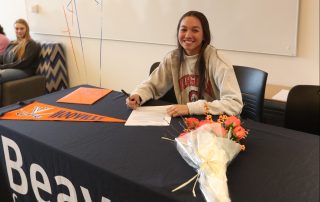
College Golf vs. The Dream School — One of the Hardest Decisions in the Process By Brandi Jackson | RecruitPKB powered by: Brandi Jackson Golf This time of year, both rising seniors and juniors are facing one of the most difficult decisions of the entire recruiting process — and it is one that does not get talked about enough. Where does her dream end and reality begin? One of the hardest conversations I have with families comes down to this: a player whose heart is set on a highly ranked academic school or a big-name athletic program — but whose golf resume simply is not strong enough to get her there. The spots at those programs are limited (especially more recently with roster caps and the new 5 for 5 rule being imposed) and the competition for them is fierce. So the decision often becomes a painful one — attend the dream school without golf, or attend a less familiar school with a program [...]

RecruitPKB: Starting the Process – Create a Resume
As many of you are starting to think about the college recruiting process, one of the first important steps is putting together your player resume. While it might seem simple, including the right information is critical—this is how coaches will form their first impression of you as a potential recruit. You’d be surprised how many resumes I’ve seen that are difficult to read, poorly formatted, hard to access, or missing key details. Some don’t even include a single tournament score or scoring average—both of which are essential for a coach to make an initial assessment of your game. There’s no one “right” format for a resume—Word docs, PDFs, personal websites, or online resume platforms all work. Coaches aren’t focused on how it looks as much as they are on whether it’s accessible, organized, and complete. The key is making it easy for them to quickly understand who you are as a player. Please keep in mind, this is just a brief overview of the [...]

RecruitPKB: Starting the Process – Get an Evaluation
I wanted to take some time to talk about the importance of getting started with the process the right way — with direction and guidance that's specific to you, your goals, and your expectations. Through the RecruitPKB Platform, there are several ways I can help you do exactly that. Over the next few weeks, I'll also be walking through the main steps of the recruiting process that I believe every recruit should follow — but first, let's start here. What Is an Evaluation or Consultation, and Why Does It Matter? Yes, we offer both free and paid consultation services through the RecruitPKB Platform — but the reason I'm highlighting this as a starting point has nothing to do with the services themselves. It's because having expert guidance from the very beginning helps you navigate this process far more effectively and efficiently. Whether it's one of the other college golf consultants out there or myself, I strongly recommend starting here if at all possible. This [...]


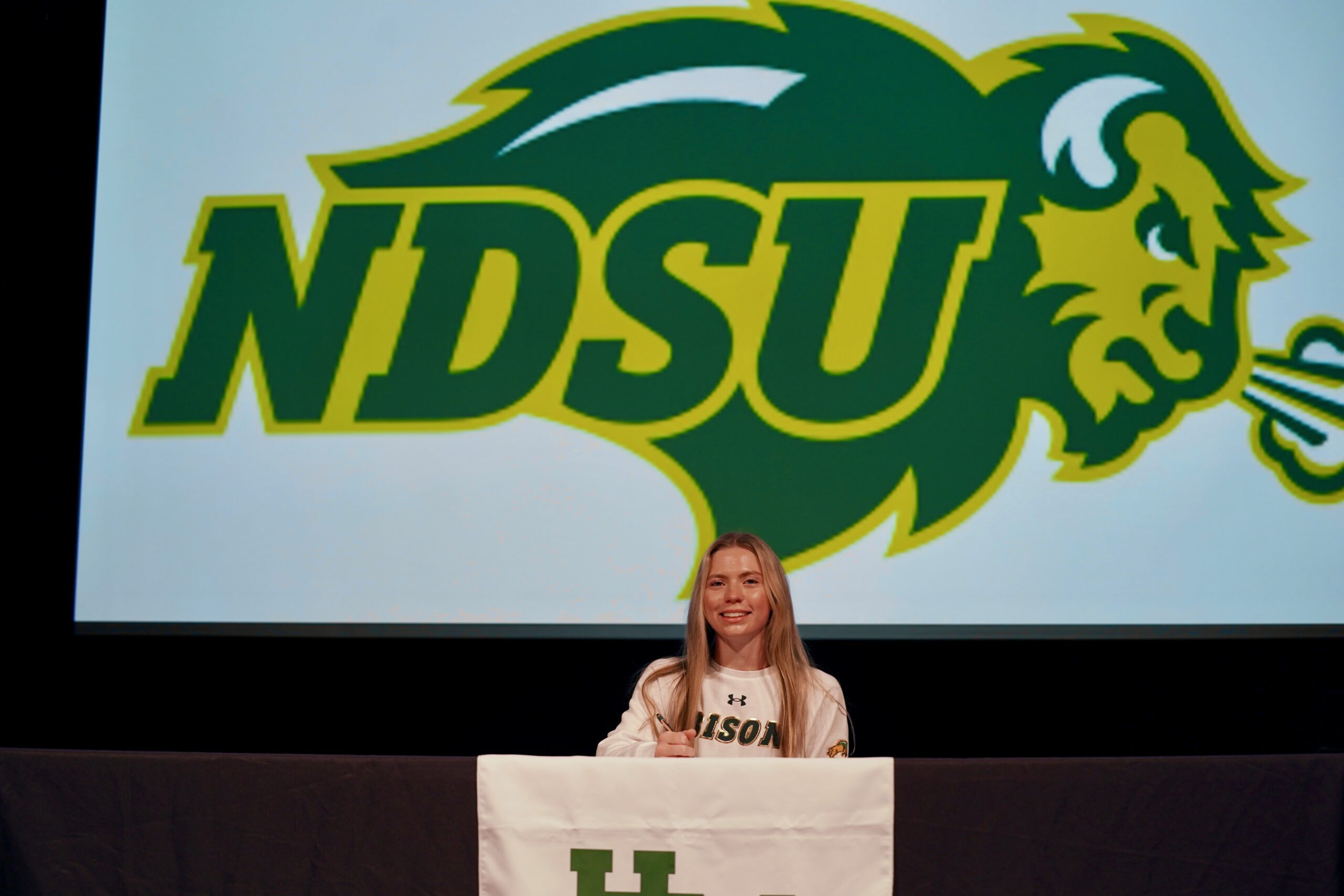
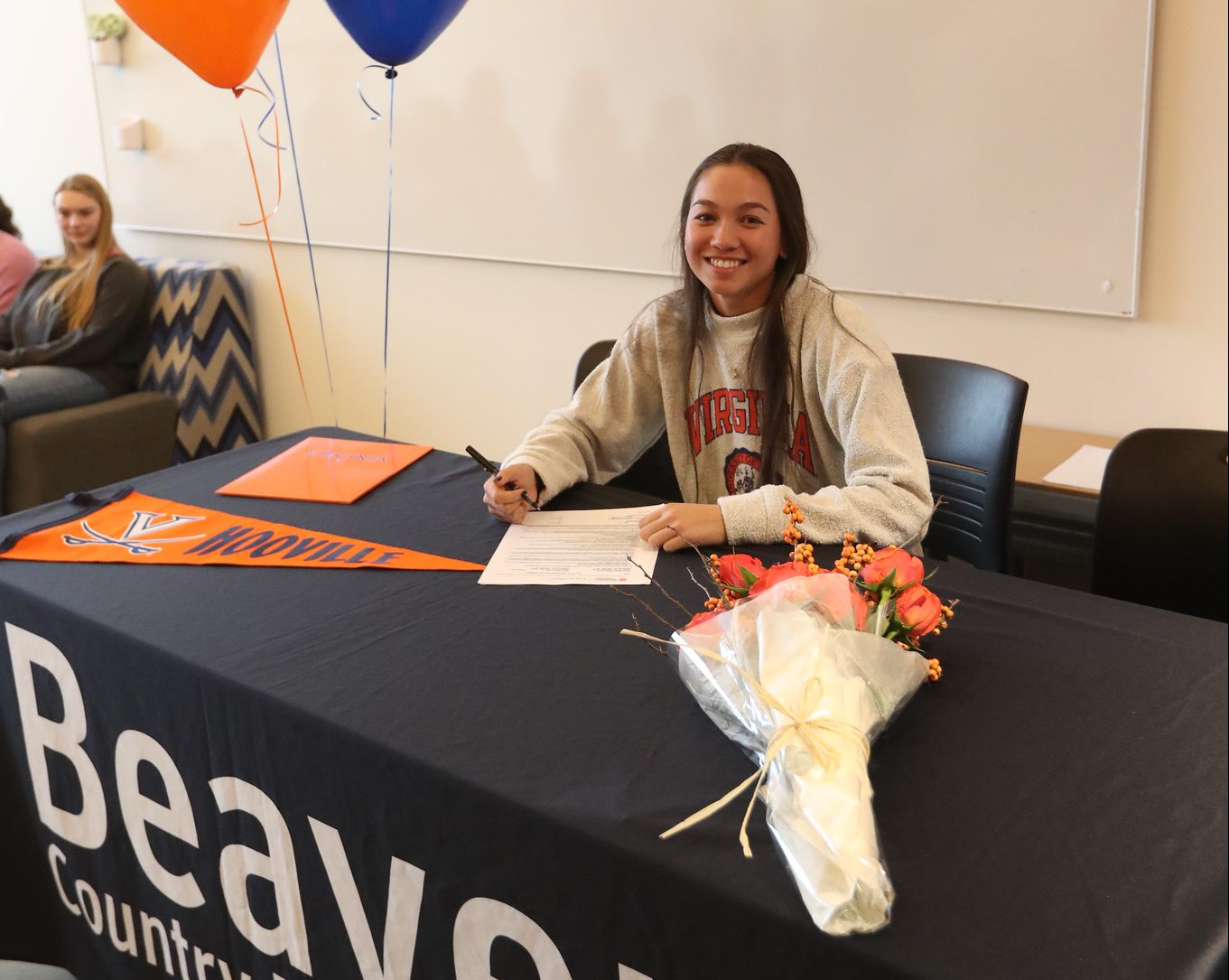

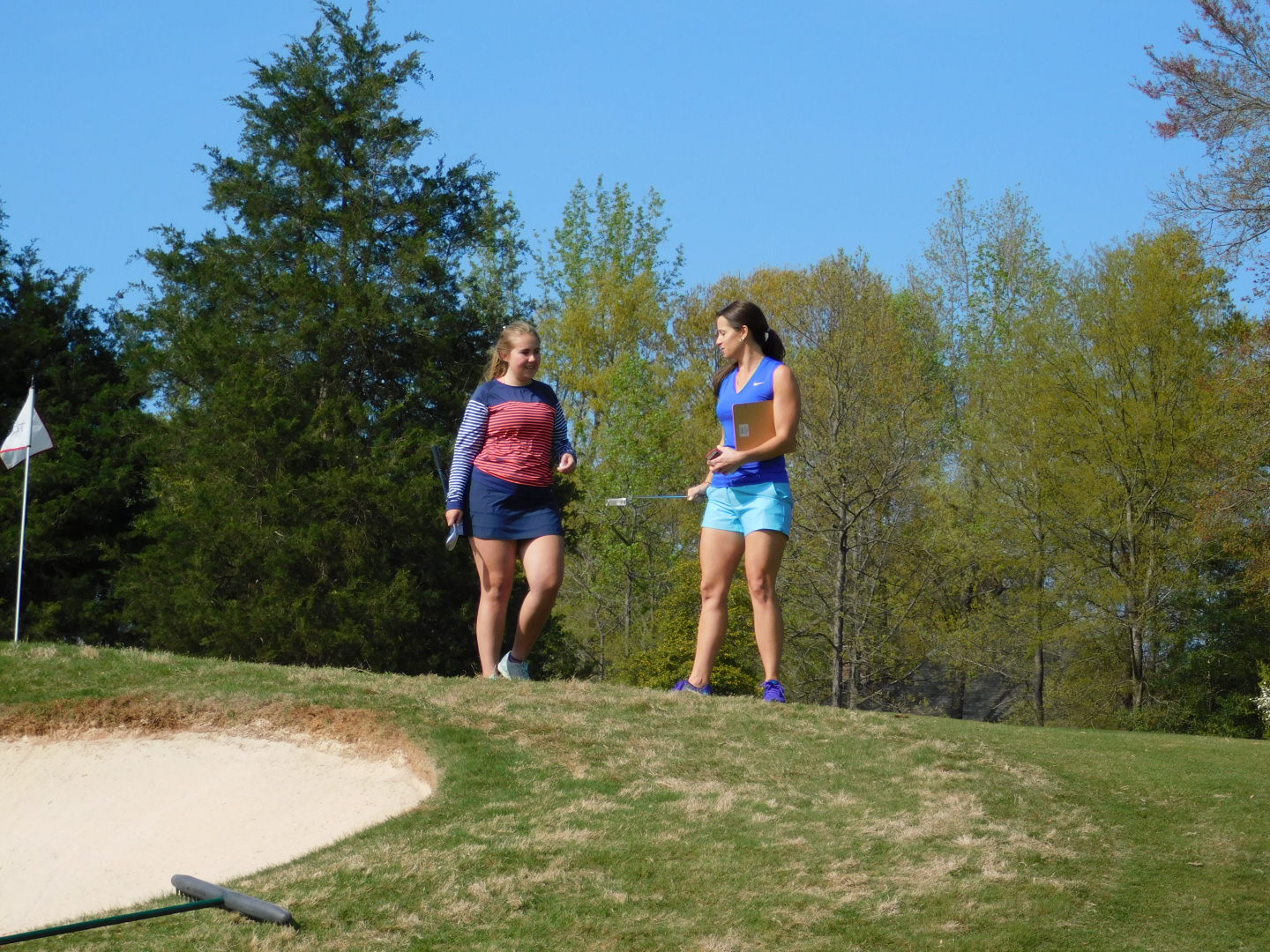
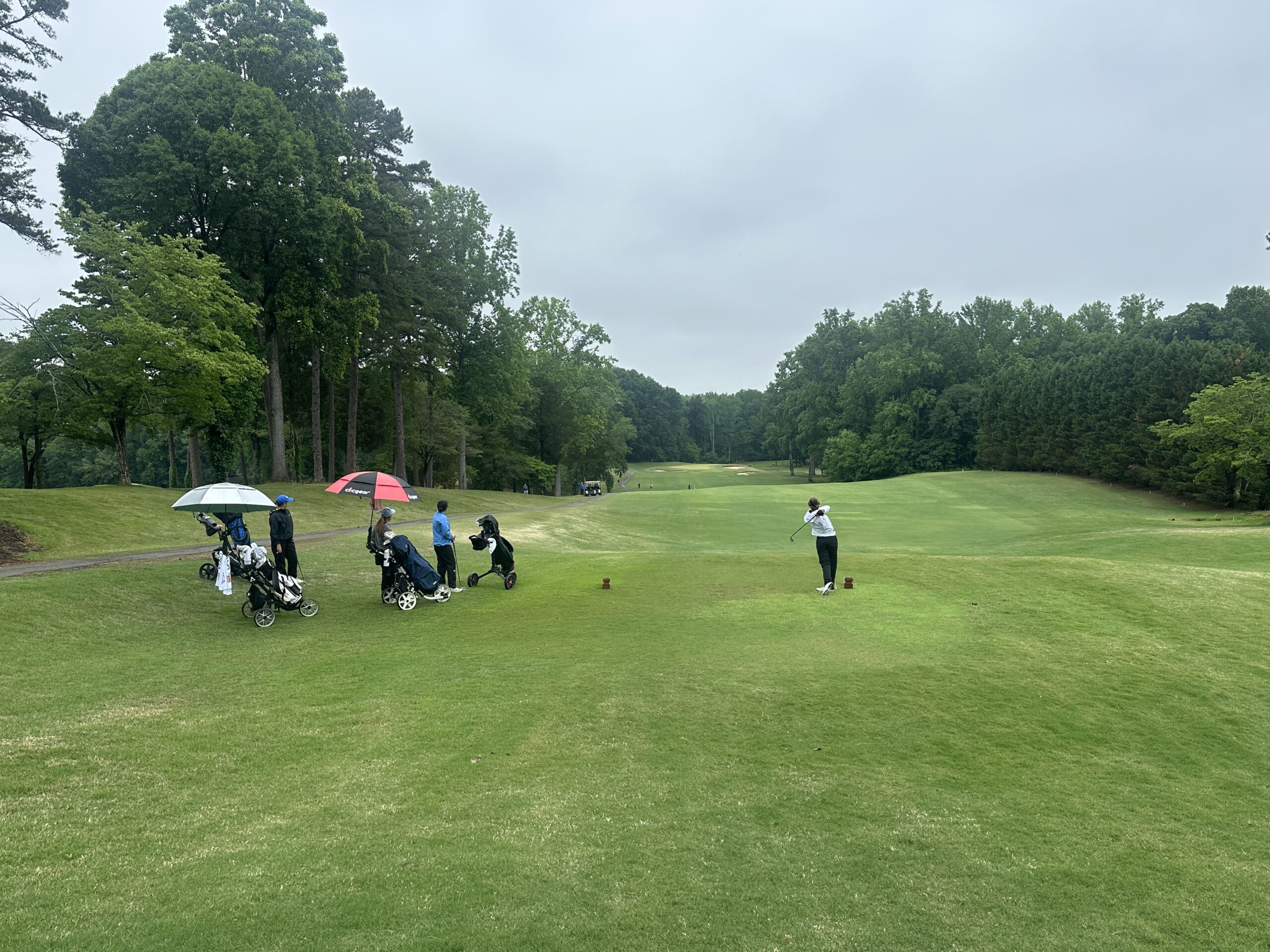
RecruitPKB: Everything You Need to Know to Begin the Recruiting Process
It's been a while since I've walked through the foundational steps of the college recruiting process, so for those of you just getting started — here's a straightforward rundown of what the journey looks like from beginning to end. Step 1: Get an Evaluation Start by getting an evaluation from a qualified third party who genuinely understands junior girls golf, women's college golf, and the girls recruiting process specifically. There is a lot of information out there — and unfortunately, a lot of it is misleading or easy to misinterpret. Because this process looks different for every player, getting an honest, experienced outside perspective from the start will help you understand exactly how the process aligns with your goals, timeline, and expectations. Step 2: Understand the NCAA Rules Know the rules before you act. There have been significant changes to the recruiting process over the years that affect both players and coaches, so it's important to understand what's allowed, when communication can begin, and [...]